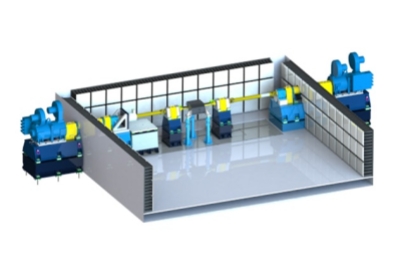
Electric vehicle powertrains are becoming more advanced, but at the same time, their EMC requirements are also getting stricter. Since these systems combine high voltage, fast switching, and sensitive electronic control, electromagnetic compatibility has become an important part of product development and compliance. This guide explains the main standards, common testing methods, and key points you should know when working with EV powertrain EMC testing.
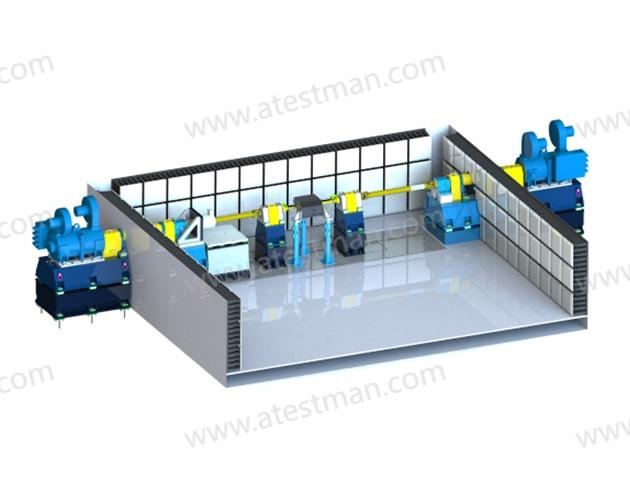
EV powertrain EMC testing is the process used to check whether the electric drive system can operate normally without creating excessive electromagnetic interference. It also helps confirm that the system can keep stable performance when affected by outside interference. Since the powertrain includes high-voltage and high-frequency components such as inverters, motors, and control units, EMC testing is an important part of making sure the vehicle is safe, reliable, and ready for real-world use.
EV powertrains work with high-voltage power, fast switching signals, and multiple electronic control units at the same time. Without proper EMC control, one part of the system may interfere with another, which can affect overall stability. EMC standards help keep the whole powertrain working in a more controlled and predictable way.
In an electric vehicle, electromagnetic noise can come from inverters, motors, wiring, and power converters. If this noise is not managed properly, it may affect communication signals or nearby electronic modules. By following EMC standards, manufacturers can reduce these risks before the vehicle goes into mass production.
Different markets and OEMs often have their own EMC requirements. For EV powertrain suppliers, meeting these standards is not only about technical performance, but also about making sure the product can pass certification and enter the market smoothly. This is especially important for export-oriented manufacturers.
A powertrain that passes EMC standards is more likely to perform well in real driving conditions. It can better handle temperature changes, vibration, and electrical disturbance without unexpected failure. That makes EMC compliance an important part of long-term vehicle reliability.
When EMC standards are considered early in the design stage, engineers can identify problems sooner and make adjustments before final testing. This helps avoid repeated redesigns, saves time, and improves the quality of the final product. For EV manufacturers, this is a practical way to reduce development risk.
EV powertrains generate a lot of electrical activity during operation, and part of that noise can travel through cables and power lines. This usually happens around inverters, converters, and other switching devices. If the issue is not handled properly, it may affect other systems connected to the vehicle.
Some interference does not stay inside the wires but spreads through the air instead. This kind of radiated noise can affect nearby control units, sensors, and communication modules. In many cases, poor cable routing or weak shielding makes the problem more obvious.
Because EV powertrains work under high power and fast switching conditions, voltage fluctuation is not uncommon. This may lead to unstable operation or create extra noise in sensitive electronic parts. To reduce this problem, designers usually need better filtering and grounding solutions.
Grounding and shielding are often key points in EMC design. If they are not planned well, interference can spread more easily across the whole system. In actual testing, this is one of the common reasons why a powertrain fails EMC requirements.
The control units in an EV powertrain are responsible for managing power output and communication between different parts. When EMC performance is weak, these signals may become unstable or less accurate. That can affect the overall response and reliability of the vehicle.
EV powertrain EMC testing is usually carried out in a controlled environment, where engineers can check how the system behaves under different electrical conditions. The goal is to see whether the powertrain produces too much interference and whether it can still work normally when exposed to outside noise. In practice, this process is not limited to one simple test, but includes several steps that help evaluate the system from different angles.
Before testing starts, the system needs to be set up in a stable and repeatable test environment. This includes arranging the powertrain, cables, measuring equipment, and support devices in the right way. A proper setup is important because even small changes in layout can affect the test result.
One of the first things engineers look at is emission performance. This checks how much electromagnetic noise the EV powertrain generates during operation. Both conducted emissions and radiated emissions are usually measured to make sure the system stays within acceptable limits.
After emissions are tested, the next step is to see how well the system can resist interference. This is called immunity testing. If the powertrain becomes unstable, gives abnormal signals, or stops working correctly when interference is applied, then the design may need further improvement.
EV powertrain EMC testing is more meaningful when it reflects real use conditions. That is why engineers often test the system under different loads, speeds, and working modes. This helps reveal problems that may not appear in a basic laboratory test.
Once the test is finished, the results are compared with the required standards or customer specifications. If any issues are found, the team will review the design and make adjustments before testing again. This cycle is often repeated until the system reaches the expected EMC level.
Improving EMC performance is usually not about one single fix. It often starts with the basic design details, such as cable routing, grounding, and shielding. Once these parts are handled properly, the system becomes much easier to control during testing and in real use.
| Method | What It Does |
|---|---|
| Optimize cable routing | Keeps power cables and signal cables separated to reduce interference. |
| Improve grounding | Helps control noise and makes the system more stable. |
| Add proper shielding | Protects sensitive parts from outside electromagnetic noise. |
| Use filtering components | Blocks unwanted high-frequency interference. |
| Test early in development | Finds problems sooner and reduces rework later.In most cases, the earlier EMC is considered in the design stage, the better the final result will be. A small adjustment in layout or component selection can often make a big difference in the test result. |
Achieving seamless Electromagnetic Compatibility (EMC) in EV powertrains is a balance of proactive simulation, precise component selection, and uncompromising testing. As automotive engineering moves toward ultra-fast switching frequencies and high-voltage architectures, traditional or generic testing methods are no longer sufficient to guarantee compliance. To eliminate costly redesign loops and ensure global market access, manufacturers need test systems built specifically for the extreme high-power demands of electric drive systems.
To bridge the gap between complex automotive standards and practical laboratory validation, Atestman has engineered the specialized E-Drive EMC Test Bench . Designed explicitly for modern EV propulsion systems, this cutting-edge solution addresses the most critical pain points of high-voltage testing:
Don't let unexpected EMI failures delay your product launch. Partner with Atestman to build a robust, compliant, and market-ready EV powertrain.
It is usually carried out during product development, after major design changes, and before final approval for production.
Common causes include poor cable layout, weak shielding, grounding issues, and high-frequency switching noise from power electronics.
It can be done at both levels. Component testing helps find issues early, while vehicle-level testing checks real operating performance.
Yes. In some cases, EMC problems can cause signal disturbance, unstable control behavior, or communication errors between systems.
Engineers usually check cable routing, grounding, shielding, test setup, and operating conditions before starting the test.



Mr. Lind
Email:[email protected]
Hongkong office: Atestman Co. Limited
Shenzhen office: Atestman Technology Co., Ltd.
Factory site: High-tech Park, Hefei, Anhui , China