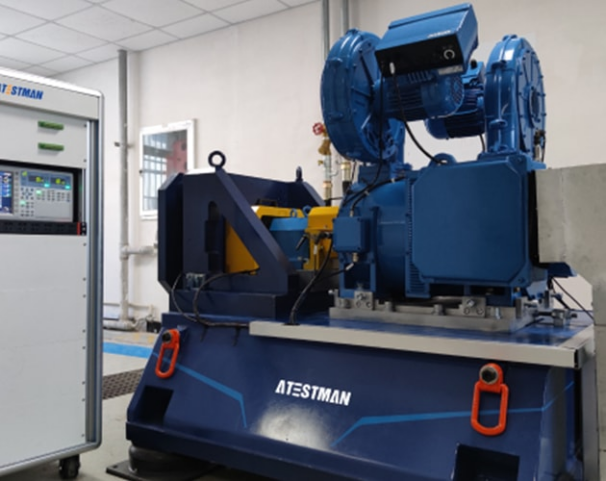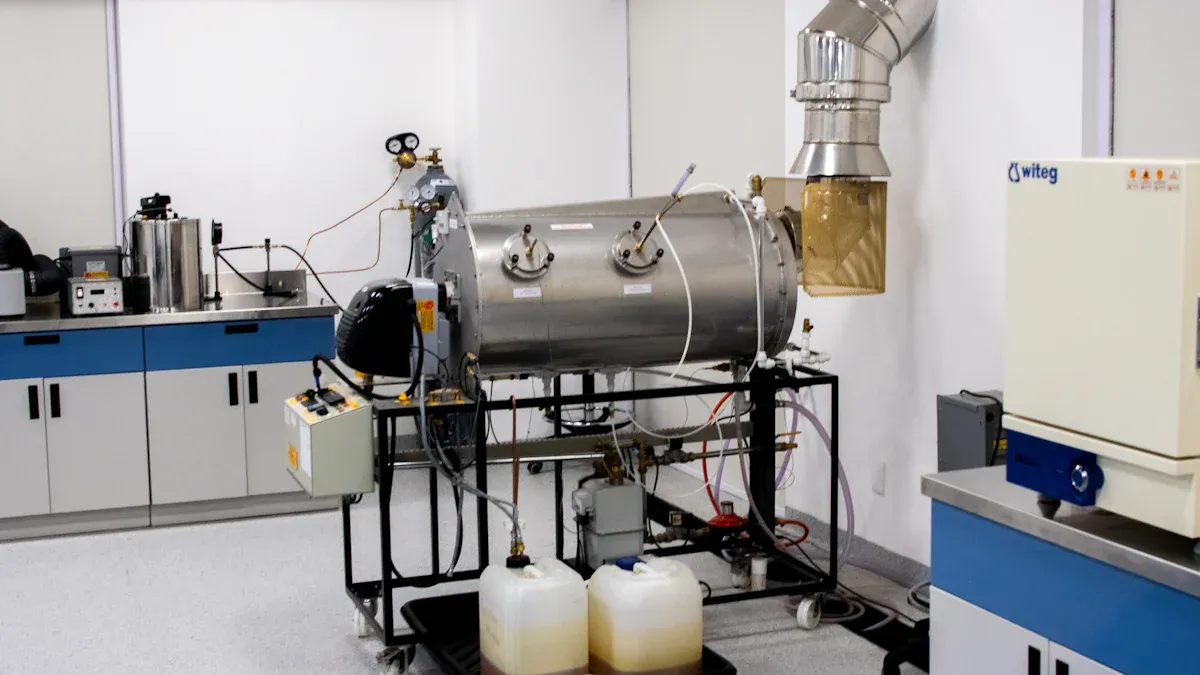
When you buy a high-speed motor test bench, you need to look at five key parameters:
Power rating and torque
Efficiency class ratings
Control system compatibility
Cooling and thermal management
Durability and service life
Each key parameter influences how well the test bench performs. Each one also affects its longevity. These factors help you determine if it is suitable for your project.
Use these key parameters as your checklist to select the best one.
Always check the power rating and torque of the test bench. This helps keep testing safe and correct for motors.
Look for high efficiency class ratings. Higher ratings use less energy and save money over time.
Make sure the control system works with your equipment. This stops data loss and keeps testing running smoothly.
Watch cooling and thermal management. Good cooling stops overheating and helps your equipment last longer.
Pick a strong test bench. A reliable model needs fewer repairs and works well for a long time.
When you pick a high-speed motor test bench, you need to look at some important things. These things help you find a test bench that works well and lasts a long time. If you forget about them, you might have problems like bad performance or high costs. You could even break your equipment.
Here are five key things you should always check:
Power rating and torque
Efficiency class ratings
Control system compatibility
Cooling and thermal management
Durability and service life
Each thing helps your test bench work better. Here is why they matter:
Power rating shows how much work the motor can do before it gets too hot. This helps your test bench stay safe and last longer.
Torque helps the motor start loads easily. It also keeps the motor running steady when things change.
Efficiency class ratings show how much energy the motor uses. Higher ratings mean less heat and lower bills.
Control system compatibility lets you connect the test bench to other machines. This makes your work faster and easier.
Cooling and thermal management keep the motor from getting too hot. Good cooling helps the motor last longer.
Durability means the test bench can handle stress and keep working for many years.
Tip: Always use these five things as a checklist before you buy. This helps you avoid mistakes and get the best deal.
You will see these things every day when you use your test bench. For example, the right torque lets you test different motors, like asynchronous motors or permanent magnet synchronous motors. Good efficiency ratings can save you up to 15% on energy costs. A strong control system helps you collect data and run tests easily. Good cooling stops overheating and can make your equipment last twice as long. Durable parts mean fewer repairs and less time when your test bench is not working.
The table below shows how torque affects different test types:
|
Test Type |
Description |
|---|---|
|
Motoring MAP test |
Checks how motors work when they are running. |
|
Generating MAP test |
Checks how motors work when making power. |
|
Motoring and electric-generating duty cycle tests |
Tests how motors work in different cycles. |
|
Motor overspeed test |
Checks what happens when motors go faster than normal. |
|
Temperature rise test |
Measures how hot the motor gets during use. |
|
Voltage fluctuation test |
Checks how motors react to changes in voltage. |
|
Controller overload capability test |
Tests if the controller can handle too much load. |
|
Ambient temperature test |
Checks how motors work in different temperatures. |
You need to pay attention to these things because they affect safety, cost, and how well your test bench fits your work. Next, you will learn more about each thing and how to check them before you buy.
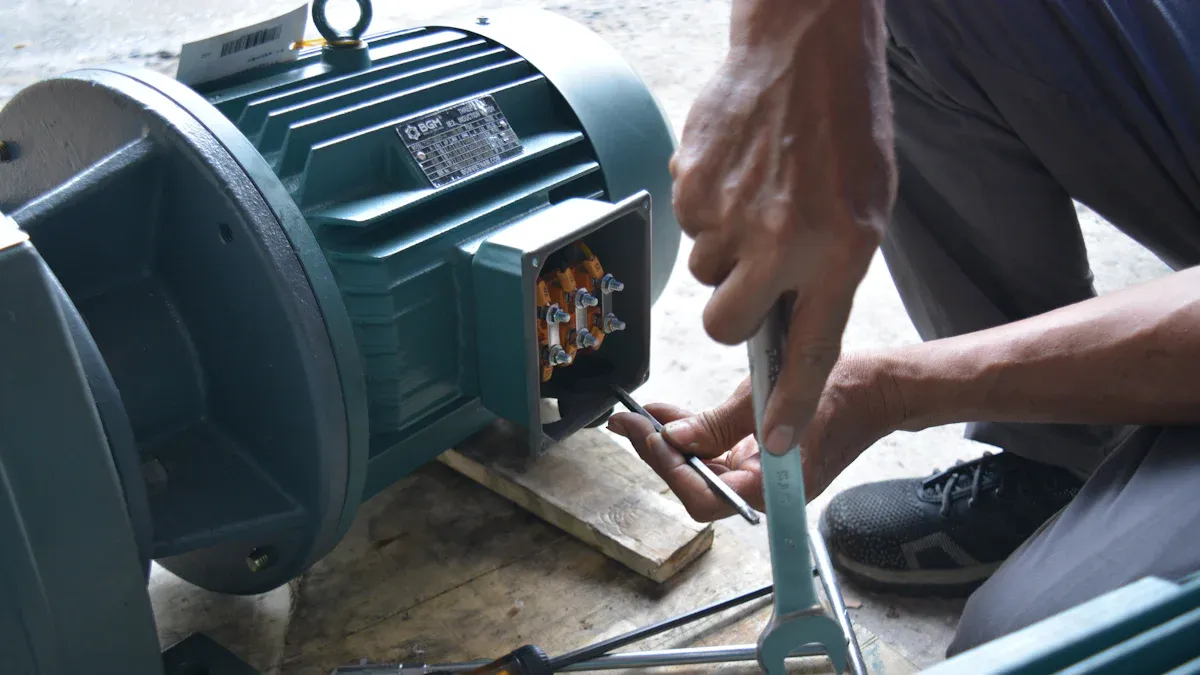
You need to pay close attention to power rating and torque when you choose a high-speed motor test bench. These two factors decide what kinds of motors you can test and how accurate your results will be. Power rating tells you how much work the test bench can handle before it gets too hot or overloaded. Torque shows how much force the test bench can apply to the motor.
Power rating plays a big role in motor testing. It sets the limits for the testing methods and equipment you can use. For example, you often use a dynamometer to measure torque and speed under load. This helps you see how well the motor works and how efficient it is. If you pick the wrong power rating, your test results may not show the true abilities of the motor.
Tip: Always match the power rating and torque of your test bench to the motors you plan to test. This helps you get safe and reliable results.
You should follow a few steps to check if a test bench meets your needs for power and torque:
Define the maximum torque (τpeak) your device under test (DUT) will face. This value helps you choose the right couplings and load cell size.
Set the maximum speed (Nmax) you need for your tests. This tells you if you need a high-speed or low-speed dynamometer.
Calculate the maximum power (Pmax) using the formula P = f(τ, N). This gives you the electrical rating needed for the load absorber or driver system.
Check the continuous duty cycle. Make sure the dynamometer can run for long tests, like 24/7 durability checks, without overheating.
When you look at these key parameters, you make sure your test bench can handle all your testing needs. You also avoid problems like overheating, wrong data, or equipment damage.
You need to know about IE ratings when you look at high-speed motor test benches. IE stands for International Efficiency. These ratings show how well a motor uses energy. The higher the IE number, the better the motor works with less wasted energy. You will see ratings like IE1, IE2, IE3, and IE4. IE1 means standard efficiency. IE4 means super premium efficiency.
IE ratings help you compare different motors. You can use tools like MotorMaster+ software to check if you should replace a motor. This tool looks at things like insulation, age, and how much energy the motor uses. You can also see how much money you might save by switching to a better motor.
Note: Always check the IE rating before you buy. This rating is one of the key parameters that tells you how much energy and money you can save.
High-efficiency motors can make a big difference in your energy bills. You pay more for these motors at first, usually about 15-25% more than standard motors. Over time, you save money because the motor uses less electricity. Many people see a return on their investment in just two or three years.
You can save even more by using new technologies. Variable Speed Drives (VSDs) help the motor match the speed to the load. This means the motor does not waste energy when it does not need to run at full power. Capacitors can also help by reducing energy losses.
Here are some things that affect your energy savings:
Motor horsepower
How much you use the motor each year
The cost of electricity
The efficiency rating of your old motor and your new motor
If you choose a motor with a high IE rating, you help the environment and lower your costs. You also make your test bench more reliable and ready for the future.
You need to check if your test bench works with your other machines. This helps you avoid trouble and saves time. Test benches use different ways to share data. Some use old systems, and some use new ones. These differences can make connecting hard.
Here is a table that lists the main problems you might see:
|
Challenge Type |
Description |
|---|---|
|
Compatibility Issues |
Different data formats and protocols make it tough to connect everything. |
|
Skill Set Gaps |
Old programming languages make it hard to find skilled workers and can cost more money. |
|
Business Continuity Concerns |
You might lose data or have downtime during testing, which can stop important work. |
You should see if your test bench can talk to your other machines. Look for systems that use common ways to share data. This makes sharing and controlling tests easier. If you forget these things, you might lose data or have downtime.
A good control system should be easy to use every day. Many new test benches have touchscreens. You can control motors by touching bars and lights. This makes your job faster and less confusing.
You get feedback from status lights in real time. Green means working, yellow means stalled, and red means stopped. These colors help you know what is happening right away. You can fix problems before they get worse.
Many systems use a model-view-controller setup. This helps you talk to the machine clearly. It makes your work smoother and helps you avoid mistakes.
Tip: Pick a test bench with a simple interface. This helps you train new users fast and lowers errors.
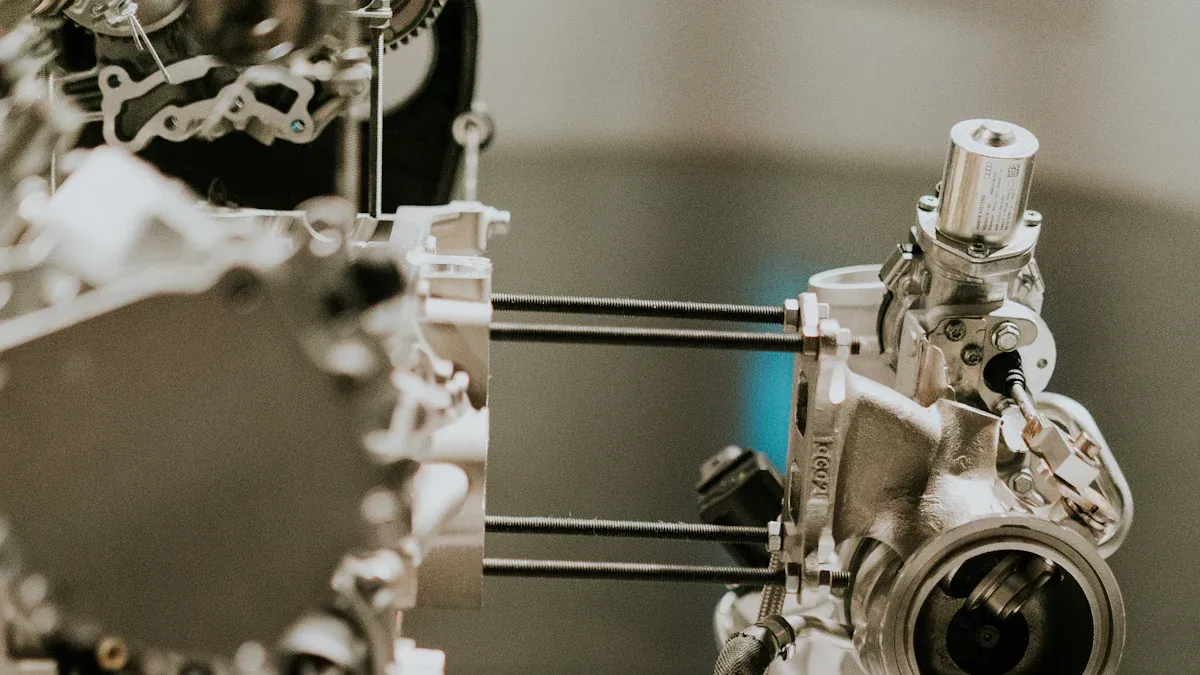
You must pay close attention to cooling and thermal management when you use a high-speed motor test bench. Overheating can damage your equipment and shorten its life. You can prevent many problems if you know what causes motors to get too hot.
Here are some common reasons why overheating happens:
You place too much load on the motor.
The power supply is not stable.
The motor runs at a high service factor for long periods.
You start and stop the motor too often.
The environment is too hot or dusty.
If you watch for these issues, you can stop overheating before it starts. You should always check the load and make sure it matches the motor’s rating. You can use sensors to monitor temperature and get alerts if things get too hot. Clean the area around your test bench to keep dust and dirt away from cooling fans.
Tip: Regular checks and good housekeeping help you avoid costly repairs and downtime.
You have several options for cooling systems in high-speed motor test benches. Each type works best in different situations.
|
Cooling System Type |
How It Works |
Best For |
|---|---|---|
|
Air Cooling |
Uses fans to blow air over parts |
Small to medium motors |
|
Liquid Cooling |
Circulates coolant around the motor |
High-power or high-speed units |
|
Oil Cooling |
Uses oil to absorb and move heat |
Heavy-duty, continuous use |
Air cooling is simple and easy to maintain. You only need to keep the fans clean and clear of blockages. Liquid cooling removes more heat and works well for powerful motors. You must check for leaks and keep coolant levels right. Oil cooling handles the toughest jobs. It needs regular oil changes and filter checks.
You should choose a cooling system that matches your test bench’s needs. Good cooling keeps your equipment safe and helps it last longer.
You want your high-speed motor test bench to last years. Durability means it can handle stress and tough jobs. It should not break down easily. When you pick a test bench, check how well it works over time. Makers use tests to show how reliable their test benches are.
Here are some common reliability metrics:
|
Metric |
Description |
|---|---|
|
Torque & Speed Mapping |
Shows if the motor works within its rated limits. |
|
Volumetric & Overall Efficiency |
Helps you find leaks and see how well the motor uses energy. |
|
Temperature Rise Test |
Checks if the motor stays cool during long, hard work. |
|
Endurance & Durability |
Proves the test bench can last as long as promised. |
|
NVH (Noise, Vibration, Harshness) |
Measures how quiet and smooth the motor runs, which is important for some machines. |
Top companies use strict tests to make sure their test benches last. Some systems run tests for heat, cold, and long miles. Others use smart tools to watch for problems early. These steps help you trust your test bench for many hours.
Think about flexibility too. A good test bench can handle different power and speed. Some can test motors up to 50,000 rpm. This makes your equipment useful for many projects. It helps your test bench stay valuable for a long time.
Taking care of your test bench helps it last longer. You can pick from different ways to do maintenance. Each way has good and bad sides.
|
Maintenance Strategy |
Pros |
Cons |
|---|---|---|
|
Preventative Maintenance |
Makes equipment last longer, fewer surprises, saves money |
Can take a lot of time, sometimes not needed |
|
Predictive Maintenance |
Uses data to plan repairs, keeps test bench running, extends life |
Costs more to set up, needs skilled workers |
|
Reliability Based Maintenance |
Focuses on most important parts, cuts costs, boosts reliability |
Needs big investment, savings may take time to show |
Pick a plan that fits your needs and budget. Regular checks and cleaning help you avoid big problems. Some companies use tests that copy real-life work for thousands of hours. These tests show how well the test bench stands up to long use.
When you choose a test bench, look at more than just the price. Think about quality, after-sales service, and how easy it is to get parts. Good maintenance and support help your test bench work well for many years.
Tip: A reliable test bench with a smart maintenance plan saves you money and trouble in the long run.
When you pay attention to the key parameters for a high-speed motor test bench, you make things easier for yourself. You get:
Good performance and less trouble during work
Lower bills for energy and repairs
Easy connection with your other machines
Better cooling and longer use for your equipment
You should always look at these things before you buy. If you have a special project, ask experts or the company for help. They can help you plan for changes, follow rules, and save money.
You should focus on power rating and torque first. These decide what motors you can test. If you pick the wrong rating, your test bench may not work for your needs.
Check your test bench every month. Clean dust and inspect parts. Follow the manufacturer's schedule for deeper checks. Regular care helps your equipment last longer.
Yes, you can upgrade many control systems. Ask the manufacturer about future upgrades. Make sure your test bench supports new software and hardware.
Cooling keeps your test bench safe. It stops overheating and damage. Good cooling helps your equipment run longer and saves you money on repairs.



Mr. Lind
Email:[email protected]
Hongkong office: Atestman Co. Limited
Shenzhen office: Atestman Technology Co., Ltd.
Factory site: High-tech Park, Hefei, Anhui , China